 |
|
 |
|
UV Lighting Specialists |
|
| Better Living With Light ► 99.9% Disinfection | |
UVC Kills Bacteria, Fungus, Mold, Viruses & Germs |
|
| UV UVC Light Disinfectant Germicidal Products | |
 |
|
 |
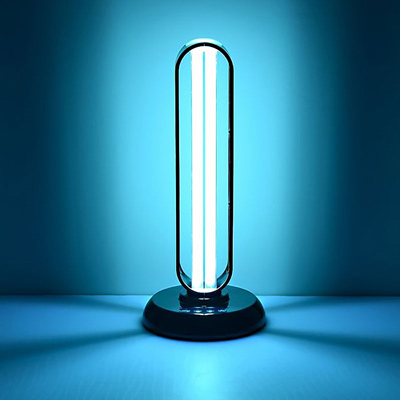 |
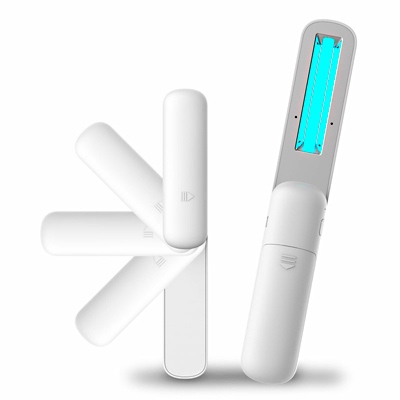
| UVC Sterilizer Wand | UVC Germicidal Portable |
| GS-UVC-Wand-1089 | GS-36W-UVC-1070 |
| See It Here • Shop Now | See It Here • Shop Now |
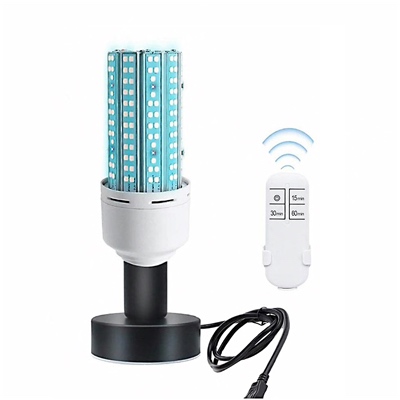 |
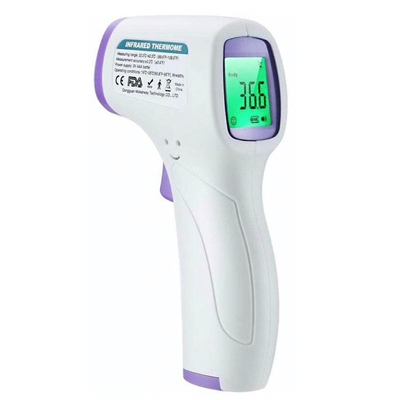 |
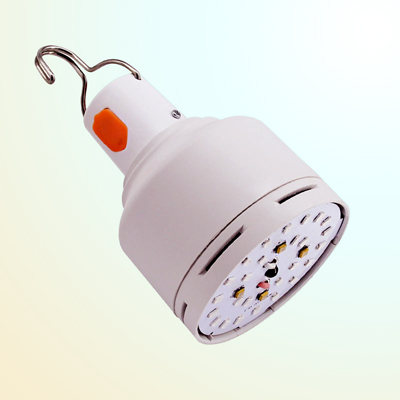
| UVC 30 Watt Corn Bulb |
Handheld Infrared Thermometer |
| GS-UVC-30-Remote-Base-1077 | GS-TM-HH2-1093 |
| See It Here • Shop Now | See It Here • Shop Now |
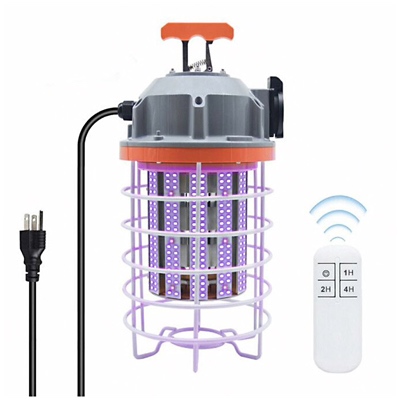 |
 |
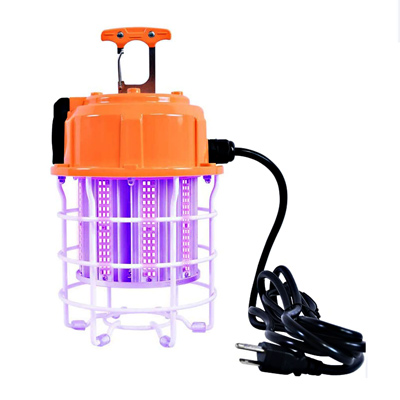
| UVC 80 Watt Antil Viral |
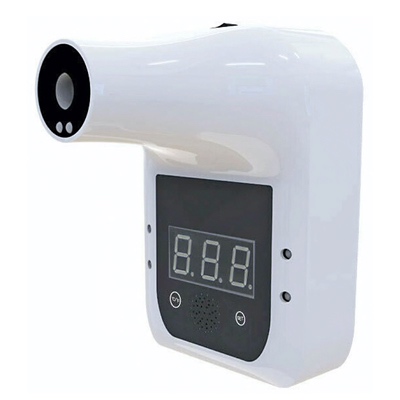
UVC Wall Mounted Infrared |
| GS-UVC-80W-1071 | GS-TM-WM-1091 |
| See It Here • Shop Now | See It Here • Shop Now |
 |
 |
| 5 Watt Germicidal Lamp |
U60 Watt Portable Work Light |
| GS-UVC-5W-DC-Remote-1073 | GS-60W-UVC-WL-1123 |
| See It Here • Shop Now | See It Here • Shop Now |
 |
 |
| 32 Watt Anti Viral Lamp |
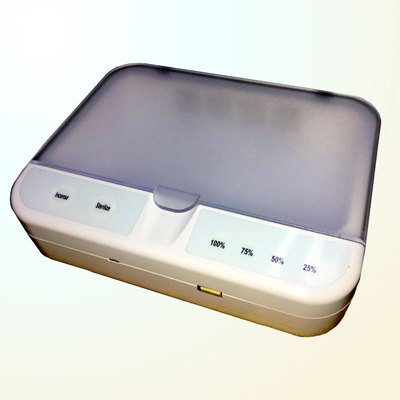
UVC Disinfection Box |
| GS-UVC-32W-1113 | GS-UVC-DB-1075 |
| See It Here • Shop Now | See It Here • Shop Now |
 |
 |
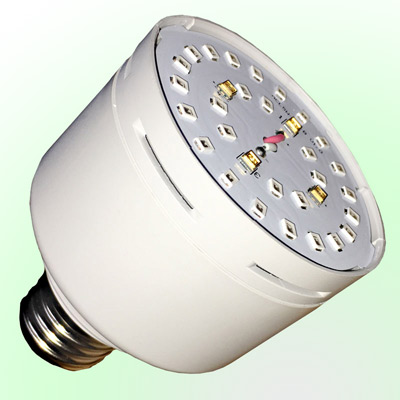
| UVC Anti Bacterial LED |
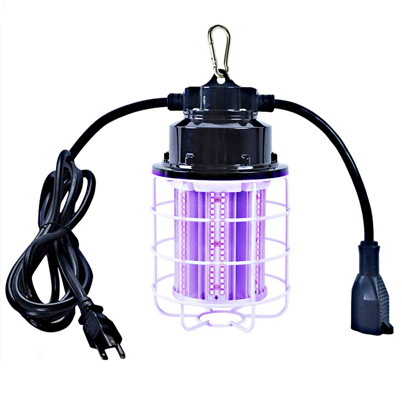
Anti Bacterial Portable |
| GS-UVC-5W-AC-E26-1074 | GS-40W-UVC-WL-1124 |
| See It Here • Shop Now | See It Here • Shop Now |
 |
 |
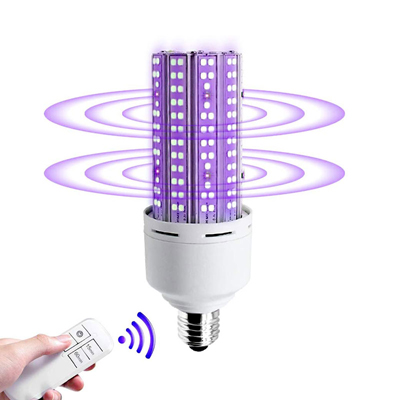
| UVC 30 Watt LED Corn Bulb |
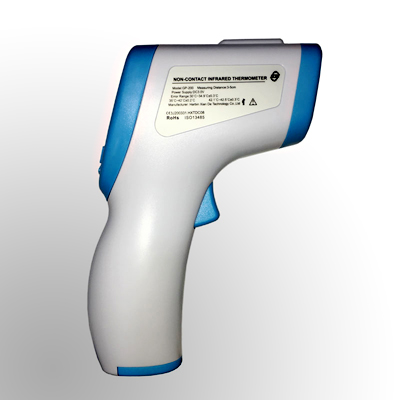
Non Contact Thermometer |
| GS-UVC-30-Remote-1076 | GS-TM-HH1-1092 |
| See It Here • Shop Now | See It Here • Shop Now |
 |
 |
| UVC Lamp Air Fan W/Remote |
UVC Lighting Experts |
| GS-UVC-55W-1114 | (800) 541-5006 |
| See It Here • Shop Now | Our Home Page |
|
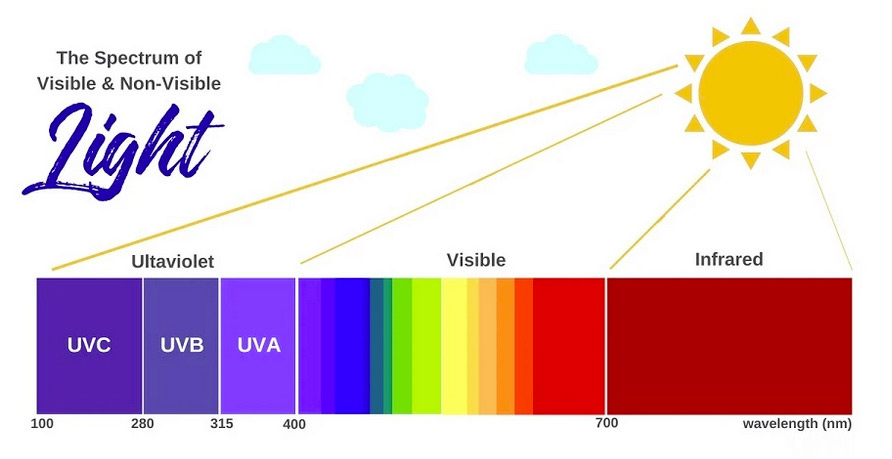
The UV Spectrum Of Light, specifically UVC 250nm levels can disinfect a multitude of germs. |
|
| Uses Of The UVC Portable Sterilizer Wand |
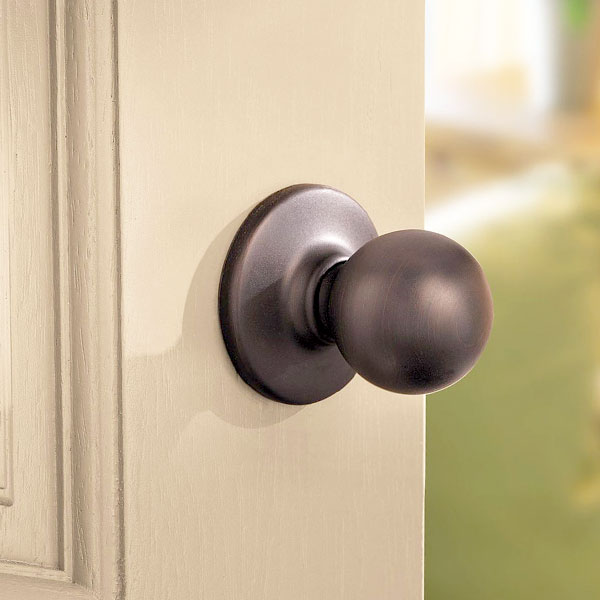
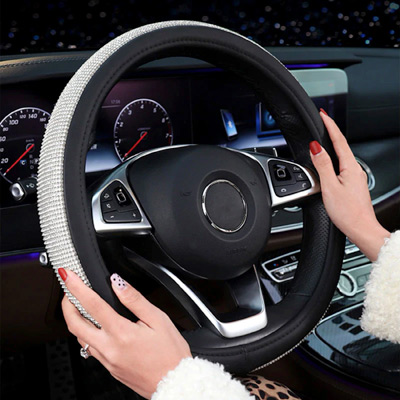
| DOOR KNOBS & HANDLES √ | CAR STEERING WHEEL & DASH √ |
 |
 |
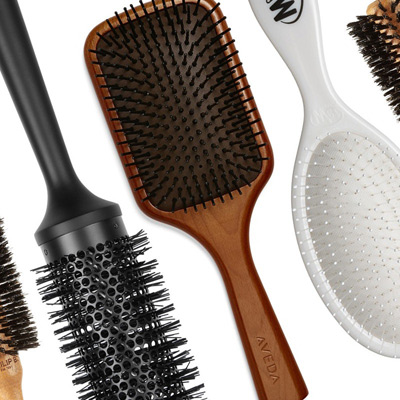
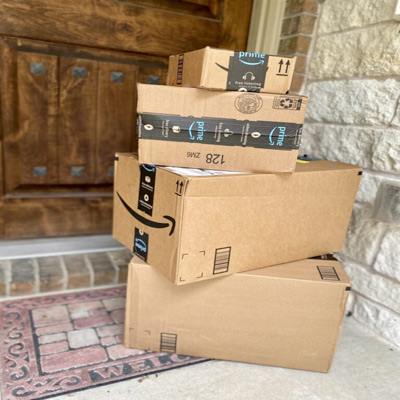
| HAIR BRUSHES & COMBS √ | BOXES & PACKAGE DELIVERIES √ |
 |
 |
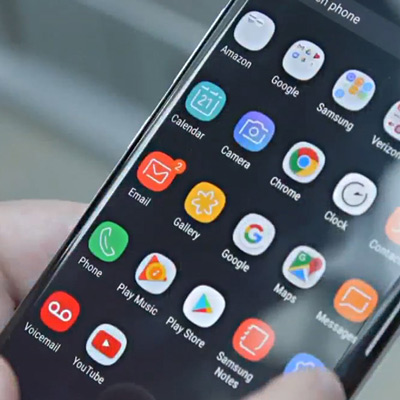
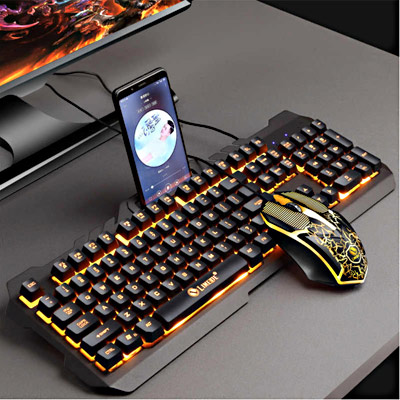
| MOBILE PHONES & TABLETS √ | KEYBOARDS & MOUSE √ |
 |
 |
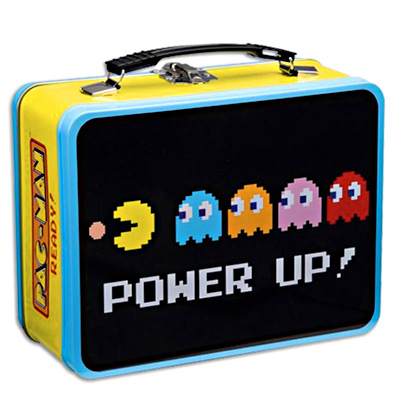
| KIDS LUNCH BOXES √ |
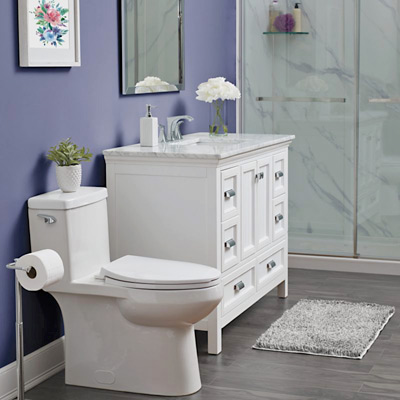
TOILETS & COUNTER TOPS √ |
 |
 |
| KITCHEN CUTTING BOARDS √ |
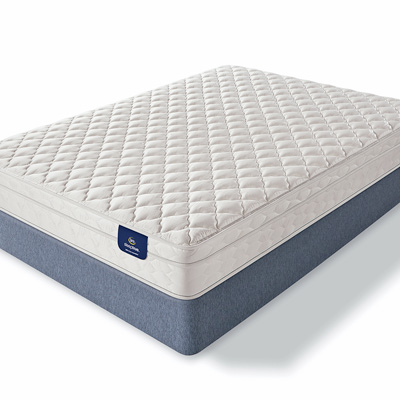
MATTRESSES & LINENS √ |
 |
 |
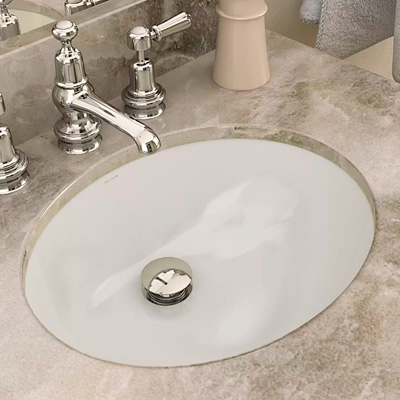
| SINKS & FAUCETS √ |
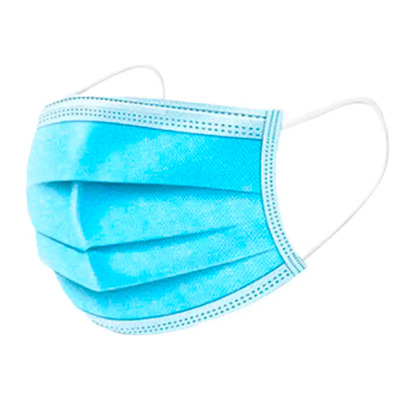
FACE MASKS √ |
 |
 |
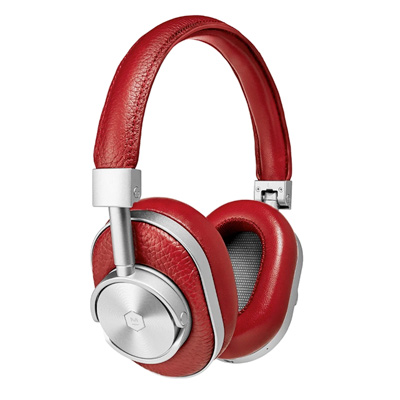
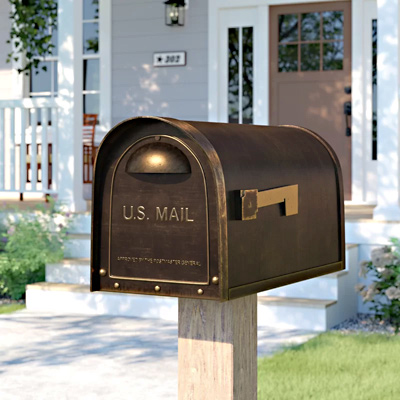
| HEADPHONES √ | MAILBOXES & MAIL √ |
 |
 |
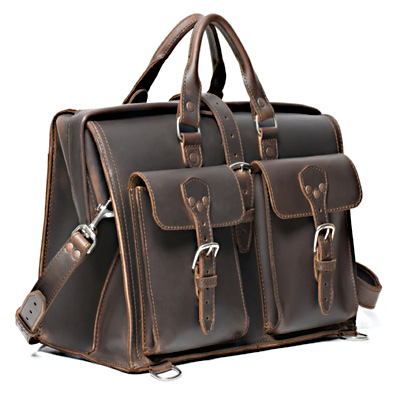
| BRIEF CASES & HANDBAGS √ |
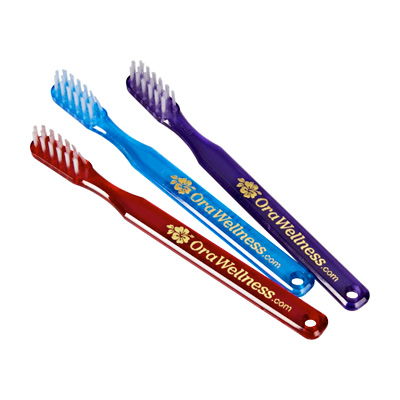
TOOTH BRUSHES √ |
 |
 |
| Kills Up To 99.9% Bacteria • Fungus • Mold • Viruses • Germs | |
| Baby's Cribs, Bathroom Sinks, Car Steering Wheel, Cell Phones, Computer Keyboards, Computer Mouse, Delivered Packages, Door Knobs, Eye Glasses, Kitchen Cutting Boards, Hair Brushes & Combs, Head Phones, Lunch Pails, Masks, Mattress & Bedding, Mail Box Deliveries, Pillows, Toilets, Tooth Brushes... and many other items. |
|
 |
|
 |
|
Product Inquiries:
(800) 541-5006
Sign-In/Create Account
Instant Message Us
Home Page
Q. What is UVC?
UVC is one of many electromagnetic frequencies emanating from the sun. Like other waveforms, its properties are unique to its wavelength. The "C" frequency of the electromagnetic UV family has, amongst other things, germicidal effects.
Q. Is UVC harmful?
Excessive UV exposure can produce adverse effects depending on wavelength, type and duration, and UV response differences between individuals. The three basic wavelengths:
UVC includes the germicidal wavelength of 253.7nm and is used for air and water disinfection. Human overexposure causes temporary skin redness and harsh eye irritation, but no permanent damage, skin cancer, or cataracts.
UVB is a narrower but more dangerous band of UV. Prolonged exposure has been associated with skin cancer, skin aging, and cataracts.
UVA is more predominant outdoors than the other two. It helps to tan our skin and is used in medicine to treat certain skin disorders. It is generally a harmless wavelength. UVA, UVAB and UVAC will damage collagen fibers and accelerate skin aging. Generally, UVA is least harmful; UVB contributes to DNA damage and cancer. It penetrates deeply but does not cause sunburn. There is no good clinical measurement of UVB blocking. It is important that sunscreens block both UVA and B. UVC penetrates superficially and has not been associated with long term tissue effects.
Q. How does it affect germs?
Microorganisms are simple organic structures that readily absorb the UVC wavelength, causing photo-disassociation, which is destruction. A microbes DNA is first to be adversely effected due to its weaker molecular bonds. In less than a second it suffers irreparable damage. The subsequent loss of genetic instructions causes cell death and also the inability to replicate. Continuous exposure causes uninterrupted degradation, such as the sun does, only faster.
Does it work?
The answer is a definite Yes. Scientific and anecdotal references reinforce UVC’s efficacy both in literature and in reports of field applications.The government reports, NIOSH, OSHA, CDC, GSA, EPA are the most notable and recognizable. Science in the public forum comes from the University of Cincinnati, Tulsa University, University of Colorado and McGill University. The two labs conducting independent testing and showing very favorable results are ARTI and Battelle. UVC is used worldwide, more in other countries per capita than in the US. Much of this broader use is for the disinfection of drinking water and treatment of sewage in waste water treatment.
What does UV "C" or UV "GI" mean?
The letters UV relates to the magnetic wavelength spectrum known as UltraViolet light. This spectrum is broken down into four categories: Vacuum, Short Wave, Middle Wave and Long Wave’ or VUV, UVC, UVB & UVA. UVC is the frequency that is the most germicidal and the term UVGI refers to Ultraviolet Germicidal Irradiation" as used by Federal Agencies such OSHA, NIOSH, GSA, EPA and the CDC when referring directly to UVC.
Q. Do UVC lamps produce ozone?
UVC lamps to not produce ozone. UVC does provide exceptionable conditioning of the air much like the sun does outdoors.
Q. If I can't see UVC energy, what do I see?
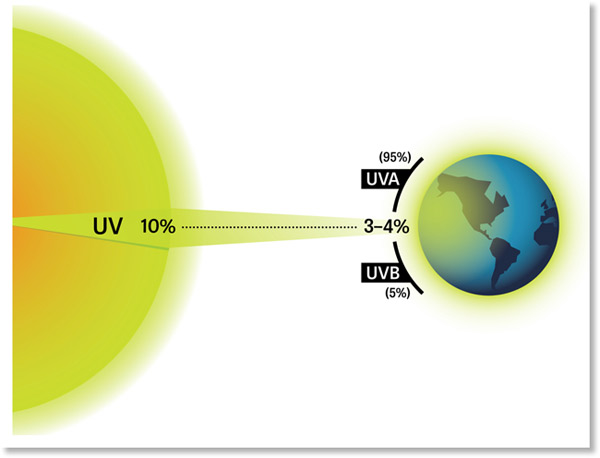
Around 90% of the energy generated by a UVC lamp is in fact UVC energy. The remainder is visible light with a blue hue and a small amount of infrared.The brightness from UVC lamps, that 3-4% of visible light gives one an idea of the amount of UVC energy a lamp produces.
Q. Can UVC kill 100% of all airborne microorganisms?
The answer is Usually no. More important are the very large number reductions from the use of UVC. The CDC is a good example of how UVC is the most perfect and sometimes the only choice to get the job done. UVC leaves nothing behind like other methods!
Q: Can I put UVC fixtures in my home?
The answer is Yes. Ultraviolet fixtures have been safely used in homes, as well as in hospitals, laboratories, clean rooms, doctors″ offices, commercial buildings, food processing plants and other commercial and residential environments throughout the world. Basically any place a concern for clean air exists.
Q: Do germicidal lamps kill viruses?
The answer is Yes. Germicidal UVC lamps kill up to 99.9% of most viruses, airborne bacteria and mold spores.
Q: Will germicidal UV take care of mold?
Yes. Germicidal UVC lamps will kill up to 99.9% of mold as well to help prevent future mold growth.
Q: Should UVC lamps be cleaned?
Yes they should depending on the surrounding environment. UVC lamps should be checked periodically. Suggested every three months. Lamps can be cleaned with a dry cotton cloth or paper towel. Should always wear rubber gloves and clean with alcohol only. Cleaning will also help maximize lamp life.
Q: How do germicidal lamps kill?
Ultraviolet light in the germicidal wavelength which is 185-254 nanometers. This wavelength renders the organisms sterile. Organisms die when they can no longer reproduce.
Q: Can Ultraviolet Light Kill Coronavirus?
When used appropriately, ultraviolet radiation is very effective at killing or deactivating pathogens. It can also cause possible harm to humans. It is very important that care must be taken when evaluating new technologies racing to market to help mitigate the new coronavirus.
Q: How hot do the lamps get?
Germicidal UVC lamps do not produce much heat.
Q: What possible damage will the lamps do?
Prolonged, direct exposure to UVC light can cause temporary skin redness and eye irritation. Will not cause skin cancer or cataracts. If exposed to direct germicidal light the results can be burn to the top surface of your skin. If eyes are exposed, they may feel dry or gritty. Germicidal lamps at no time will cause any permanent damage.
Q: How do you determine the square footage that one germicidal UVC lamp will cover?
This is determined by the wattage of the lamp. A 15 watt lamp will cover approximately 100 square feet. A 30 watt lamp will cover approximately 200 square feet.
Q.What is ultraviolet (UV) light?
Ultraviolet light is a type of electromagnetic radiation that can be transmitted in waves or particles at different wavelengths and frequencies.
Q. What are the different types of UV light?
The types of UV light include UVA. UVA accounts for approximately 95 percent of the UV radiation reaching the Earth’s surface. It is responsible for tanning, skin aging, and wrinkling, and is an effective disinfectant for many common bacteria. UVB: Most solar UVB is filtered by the atmosphere and is responsible for delayed skin burn and skin aging. It promotes the development of skin cancer. UVB is a highly effective disinfectant for many common bacteria. UVC: Is the most biologically damaging type of UV radiation and is completely filtered by the atmosphere. UVC It is extremely effective for both bacteria and viruses.
Q. What is germicidal UV light?
Germicidal ultraviolet light is UV light that inactivates microorganisms by disrupting their DNA. The degree of disinfection is related to the spectrum of UV, the intensity, and the duration.
Q. Can germicidal UV light kill both bacteria and viruses including the coronavirus?
All types of UV light can inactivate bacteria with the correct direct exposure time and intensity. The UVC spectrum is the only UV light proven to inactivate viruses and is believed to inactivate coronavirus. UVC can be dangerous to humans when directly exposed.
Q. Can UVC pass through aluminum foil?
Aluminum is the only material that has a high reflectivity for ultraviolet rays in the wavelength range of 250 nm to 400 nm. Aluminum foil that is lightweight and has high workability is suitable as the ultraviolet reflecting material.
Q. Can UVC pass through water?
Never stare at a UVC light source for any amount of time. When UVC light shines on water or if the bulb is immersed in the water, some of the light penetrates the water and is absorbed by germs, such as bacteria and viruses, in the water.
Q. Does UVC light pass through clear plastic?
UVC light is a form of light that is not visible to the human eye. Most acrylic plastics will allow light of wavelength greater than 375 nm to pass through the material, but they will not allow UVC wavelengths 100–290 nm to pass through.
Q. Can UVC pass through walls?
No UVC cannot pass through walls. UVC cannot pass through normal glass.
Q. How dangerous is UVC light?
UVC radiation can cause severe burns of the skin and eye injuries. One must avoid direct skin exposure to UVC radiation and should never look directly into a UVC light source.
Q. How to protect your eyes from UV light exposure
Wear sunglasses: Wear sunglasses that block 99 – 100% UVA and UVB radiation.
Choose UV blocking contacts: Contacts that protect against UV rays offer high-quality protection.
Q. Is UVC safe for food?
UVC will kill the majority of microbial contaminants by the result of bio-tampering, including Listeria, Escherichia coli, Salmonella, Staphylococcus, and other microorganisms. UVC is safe to use. UVC leaves no surface residue, and will not chemically alter food products
Q: Does UV really work?
The answer is a definite Yes. UV has been proven under numerous studies for its ability to destroy the DNA of germs: viruses, mold, spores, fungi, and bacteria. It works at different levels depending on what one wants to accomplish.
Example 1: In the commercial world like hospitals, clean rooms and food processing plants, the objective would be to have instantaneous kill. UV lights would blanket the air passage system and the airflow directed over and between lamps, which provide for maximum kill of air pollutants.
Example 2: In residential applications, the objective is to create a cost effective and continuous method of cleaning the air. The kill rate of air pollutants depends on space, time and the intensity of UV. Because UV has been proven to work in a cumulative manner, the polluted air is cleaned over time and passages over the UV lamp. Germs are constantly growing in our indoor environment and pollute the air we breathe. UV technology gives us the opportunity to clean the indoor air continuously in a cost effective manner.
Q: Has UV technology been tested?
The answer is Yes. Westinghouse Electric, General Electric, Penn State University and Harvard School of Public Health conducted laboratory tests on the effectiveness of UV light on microorganisms. UV light has also been used in wastewater plants and commercial settings for over 60 years. Recent studies are proving the UV technology effective against biological attacks and for reducing sickness due to airborne pollutants.
Q. Where in our home should we place UVC?
Standing indoor air has such volume and is so dispersed throughout the rooms of the home. Because of this it becomes impossible to effectively clean it. But there is one place in most homes where 100% of the air can be conditioned every 12 to 15 minutes. That area is in an operating central heating and cooling airflow system. So if we need to clean and purify the breathable air, it should be done within the HVAC unit. It is within this system that the UVC lamp should be placed to take advantage of the one point where the total air can be cleaned.
Q: What kind of germs are affected?
UVC is extremely effective against virtually any airborne microbes including rhinoviruses, influenza, bacteria, mold, mold spores and viruses.
Q. What is the UVC dose for killing or disabling the COVID-19 virus?
Because the COVID-19 virus (SARS-CoV-2) is so new, the scientific community doesn’t yet have a specific deactivation dosage. However, we know the dosage values for comparable viruses in the same SARS virus family are 10-20 mJ/cm2 using direct UVC light at a wavelength of 254nm; this dosage will achieve 99.9% disinfection.
Q. Does UV light inactivate COVID-19?
It is important to recognize that, generally, UVC cannot inactivate a virus or bacterium if it is not directly exposed to UVC. The virus or bacterium will not be inactivated if it is covered by dust or soil, embedded in porous surface or on the underside of a surface
Q. Does UVC work on viruses other than the new coronavirus(COVID-19)?
Studies have shown that it can be used against other coronaviruses. One study found at least 15 minutes of UVC exposure inactivated SARS, making it impossible for the virus to replicate
Product Inquiries:
(800) 541-5006
Sign-In/Create Account
Instant Message Us
Home Page


